Charting paths forward.
Case: Unlocking What Really Drives Robotic Automation Adoption

TL;DR - VitalPath Insights partnered with a robotics technology start-up to understand how U.S. manufacturing and logistics leaders evaluate, adopt, and deploy robotic automation. Through in-depth interviews with decision-makers, the study revealed that adoption barriers are driven as much by internal decision processes as by product capabilities. The work identified high-readiness customer segments, clarified the real sources of buying friction, and delivered concrete guidance on product positioning, ROI communication, and design considerations to help accelerate time-to-deployment and revenue growth. The findings were used to secure investor funding to advance the new design.
The Challenge
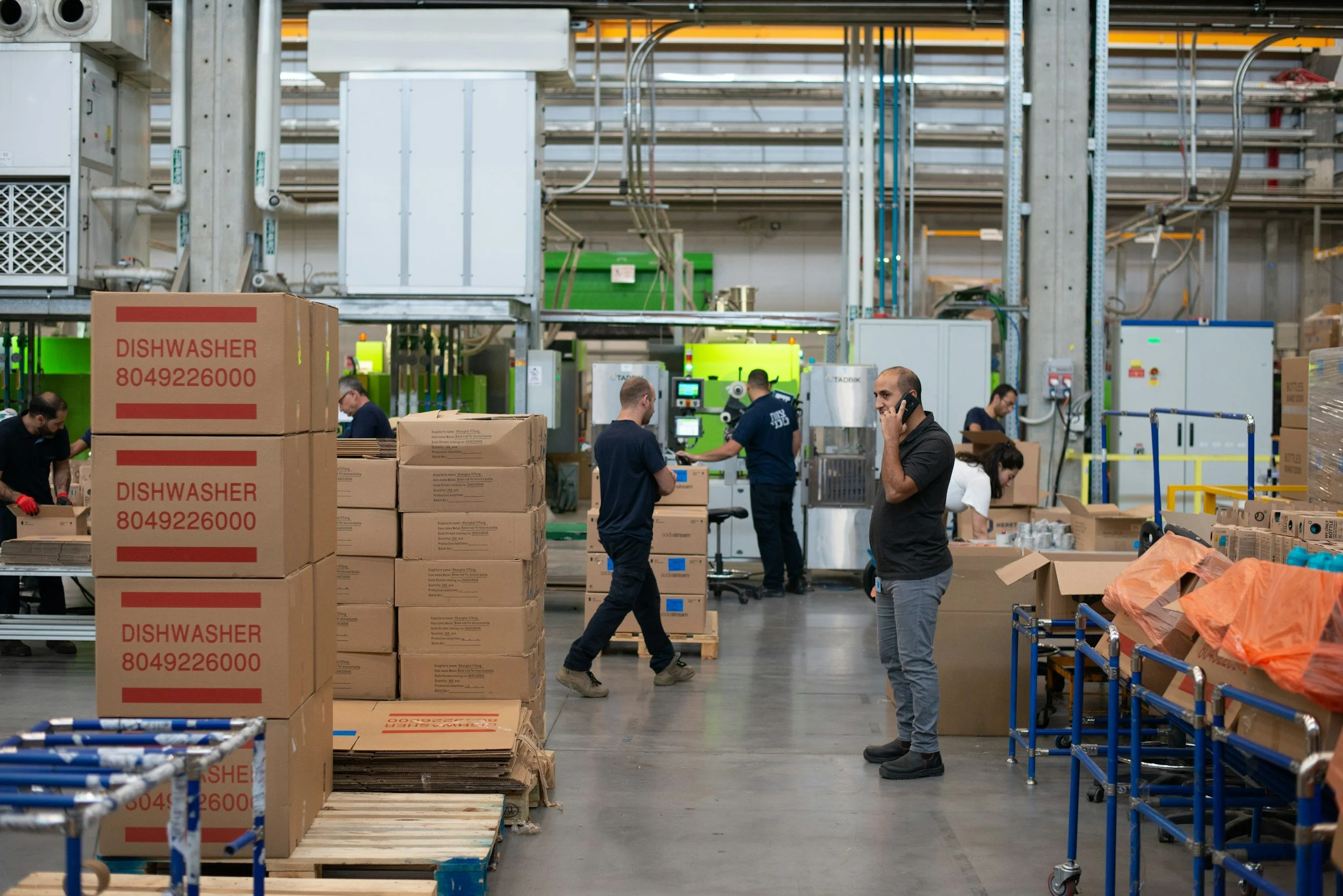
Our client, a robotic automation start-up offering kitting, case packing, and palletizing, was operating in a fast-growing but complex automation market. While interest in and need for robotic solutions is high across companies handling end-of-line manufacturing and logistics solutions, adoption of robotics is lagging far behind expectation. Labor shortages and demands for increased efficiency and boosted throughput have not been sufficient for speeding up sales and deployments. The company needed clarity on who was truly ready to buy, what was slowing purchase decisions down, and whether their latest, differentiated offering aligned with real needs on-the-ground.
The Objective
The goal was not just to understand the market, but to identify a path forward for faster, more confident buying decisions. We set out with the following objectives:
Assess demand and readiness for robotic automation in U.S. manufacturing companies and third-party logistics companies (3PLs).
Understand how automation decisions are made across multiple stakeholders.
Identify barriers to adoption and deployment.
Evaluate perceived value of the client’s product and service model.
Generate clear, actionable guidance to increase sales velocity.

The Method
We aimed to capture grounded, decision-focused qualitative insights from key leaders in the warehouse automation space including deep input from warehouse managers, engineers, and operations leads in the client’s target industries.
45-minute in-depth interviews (IDIs)
Light concept testing of:
Robotic solution
Deployment timeline
Service and support model
Why this mattered: Conversations were designed to elicit discussion about real-world buying decision processes, including operational constraints, internal politics, ROI skepticism, and risk tolerance, not just surface-level attitudes toward automation.
New Understanding
Adoption is shaped by both technology and decision dynamics
The research revealed that automation adoption is influenced not only by product capabilities, but by internal decision-making processes, alignment across stakeholders, and perceived ownership of risk. This distinction helped clarify why interest in automation does not always translate into immediate action.
Not all interest signals readiness
Conversations surfaced meaningful differences between organizations exploring automation conceptually and those positioned to move forward operationally. Understanding this distinction enabled clearer prioritization of features as well as target customers, and more realistic expectations around timing and conversion.
ROI is interpreted through multiple lenses
The study highlighted that return on investment is evaluated differently across operational, financial, and leadership stakeholders. Value was understood as a combination of factors such as predictability, pace of the deployment process, and service partnership, not just cost. Cost was often the least important consideration compared to other requirements.
Service and deployment share perceived value
Beyond the robotic solution itself, participants emphasized the importance of clarity around deployment, support, and long-term partnership. These factors played a significant role in how buyers assessed overall value and risk.
How VitalPath Helped
With VitalPath providing collaborative guidance and leading the work, every step of the way, our client was free to focus on what mattered most, continuing to drive innovation, engage investors, and grow revenue. The insights we captured gave them the confidence to forge ahead in a way that only real-world evidence can bring.
From Insight to Direction
Getting Past Assumptions: We established definitive connections between hunches and guesses and the realities of key players, impacting sales cycles and deployments.
Clarity: We synthesized diverse perspectives into a clear picture of how automation decisions are actually made, enabling confident product and messaging development.
Separating Critical Barriers: By intentionally probing both operational needs and internal dynamics, the research distinguished between challenges rooted in technology and those rooted in organizational processes, allowing the client to focus effort where it would have the greatest impact.
Practical Guidance: Insights were translated into actionable recommendations that supported clearer, ROI-heavy positioning, targeted product and service feature highlights, and sales conversations to drive engagement.

The insights gained through this project gave the client a clearer understanding of their market, their buyers, and the path to more effective engagement - without oversimplifying the complexity of real-world automation decisions.